The VOICE for Women and Girls Project
The VOICE for Women and Girls Project
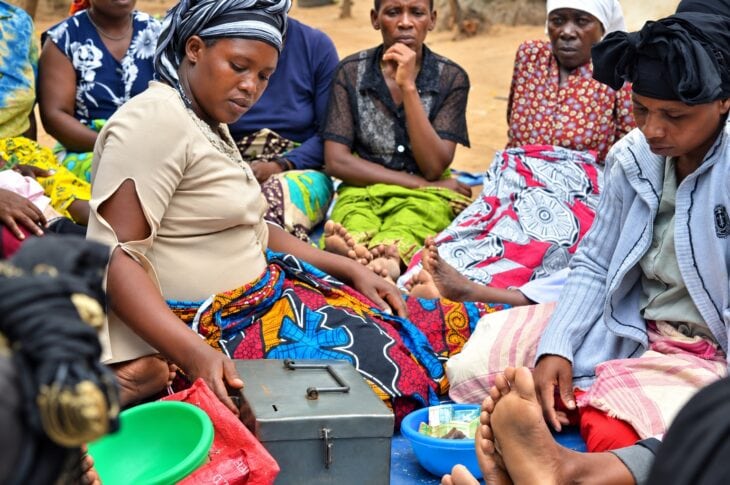
Across much of Africa’s cooperative movement, women make up a significant share of SACCO and cooperative membership. Yet historically, they have been underrepresented in leadership, decision-making, and the broader economic opportunities that cooperatives can unlock.
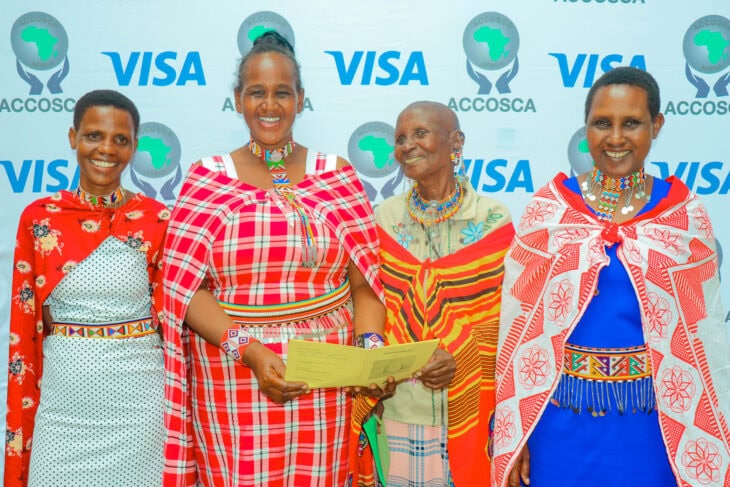
It is this gap between participation and genuine influence that gave rise to the VOICE for Women and Girls Project, a partnership between ACCOSCA and the Co-operative Development Foundation of Canada (CDF Canada). Together, the organizations are working to build a more inclusive cooperative movement across Africa.
Addressing Barriers to Inclusion
The VOICE project was conceived as a direct response to the economic and social barriers that continue to limit the full participation of women and girls in Africa’s cooperative economy.
ACCOSCA and CDF Canada recognized that lasting, inclusive growth would require more than access to financial services alone. It would require deliberate investment in women’s leadership, stronger governance practices, and greater acceptance of women’s economic participation within communities and cooperative institutions.
A Long-Term Vision
Launched in 2020 and running through 2027, the project aims to improve the economic and social wellbeing of 50,000 people, with a particular focus on women and girls across five countries within ACCOSCA’s network.
The initiative is built around four guiding pillars:
- Gender equality and women’s empowerment
- Inclusive economic growth
- Environmental sustainability
- Participatory governance
These priorities are aligned with United Nations Sustainable Development Goal 5 (Gender Equality) and Goal 8 (Decent Work and Economic Growth).
Strengthening Cooperatives and Communities
The VOICE project takes a layered approach to inclusion.
At the institutional level, the project works to strengthen organizational capacity, improve volunteer management, and enhance the ability of ACCOSCA and its partners to deliver inclusive and sustainable programs.
At the community level, it seeks to:
- Increase acceptance of women’s economic participation
- Strengthen the ability of primary cooperatives to serve vulnerable populations
- Support policy environments that encourage inclusive cooperative membership
Together, these efforts position the project as more than a training initiative. It is an effort to help reshape the structures and attitudes that influence who gets to lead, participate, and benefit within the cooperative movement.
Creating Measurable Impact
One of the project’s most significant achievements has been the increase in women’s participation in cooperative meetings.
In communities where the project has been active, participation has risen from 4% to 30%, representing a sevenfold increase in the number of women who are present, heard, and actively involved in cooperative decision-making.
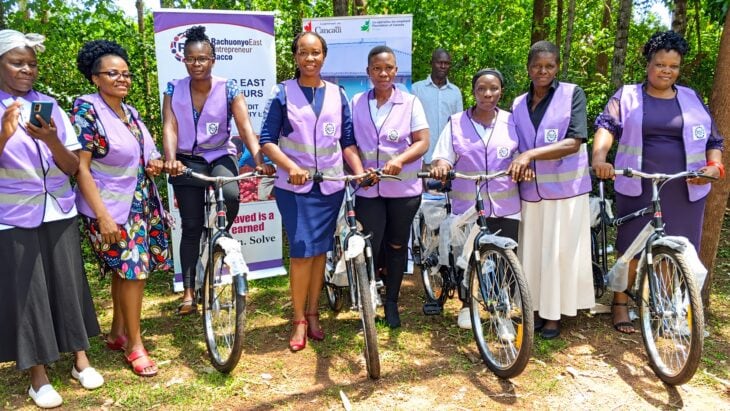
This progress has been supported by sustained investments in women’s leadership development, helping women move from passive membership into active governance and leadership roles.
Building the Next Generation of Leaders
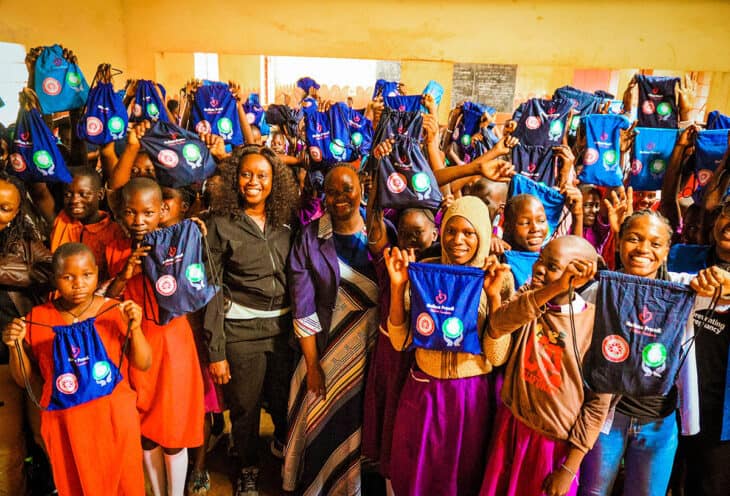
The project has also engaged young people in cooperative initiatives, helping to build a pipeline of future leaders who understand the value of cooperative principles from an early age.
At the same time, the integration of Environmental, Social, and Governance (ESG) considerations into cooperative practices has encouraged more sustainable and accountable ways of working. These efforts connect the project’s goals around gender equity with a broader vision of resilient and responsibly governed institutions.
Looking Ahead
As the VOICE project continues through 2027, it remains a strong expression of ACCOSCA’s belief that cooperative development and inclusive growth are inseparable.
By investing in women’s leadership, youth engagement, and participatory governance, the project is helping to build a cooperative movement that better reflects the diversity of the people it serves, while creating lasting opportunities for greater representation, inclusion, and voice across Africa.